
-

-
-

-

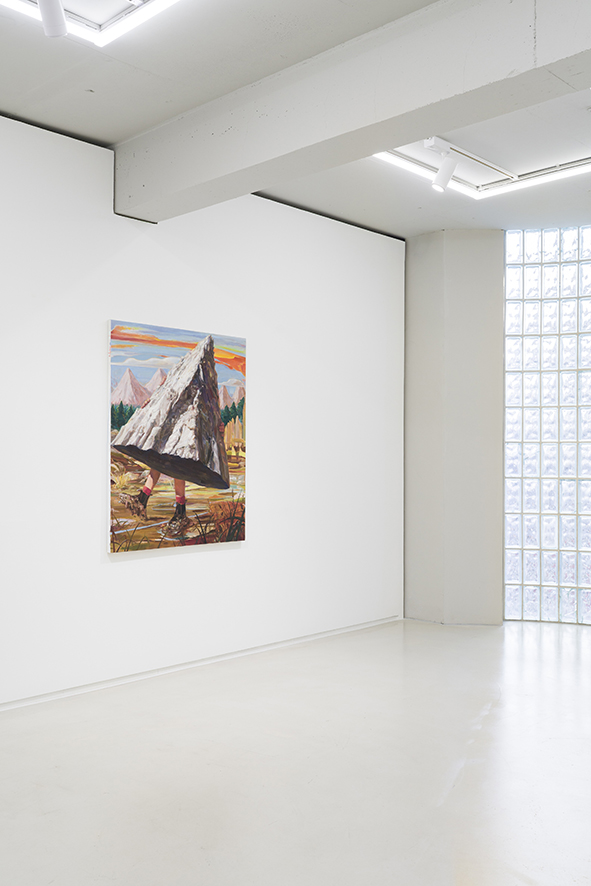
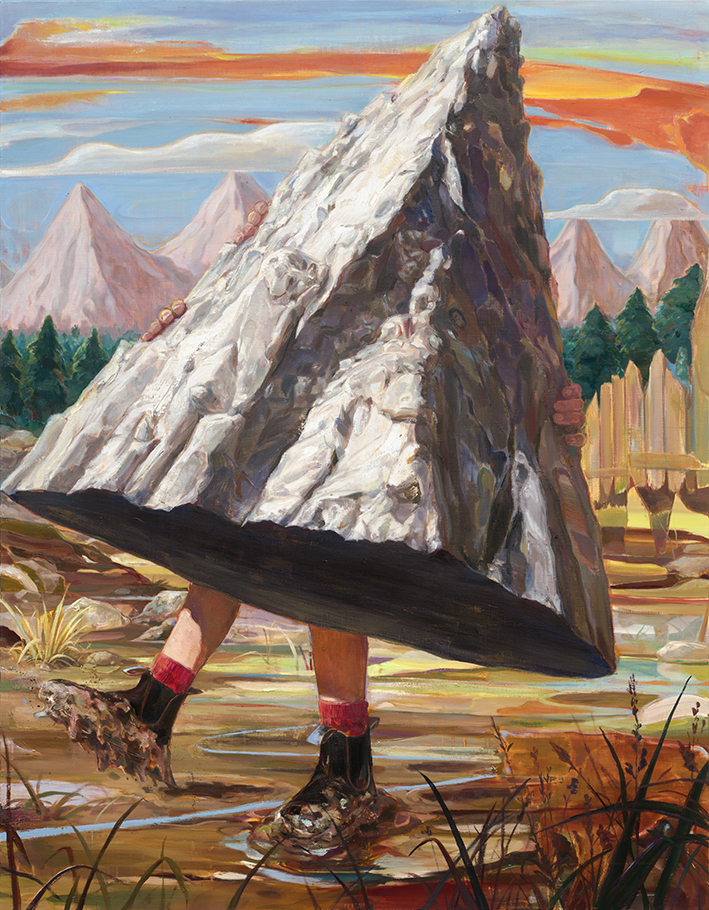
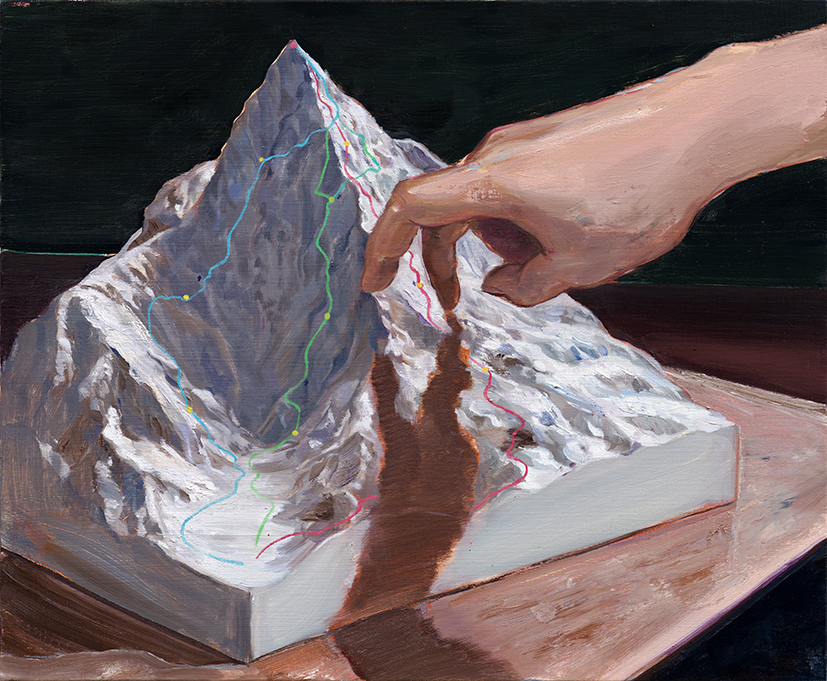
배준현 Junhyun Bae, 산을 옮기는 사람 Man Who Moves a Mountain, 2025, Oil on linen, 116.8 x 91cm © Courtesy of the artist
배준현 Junhyun Bae, 산을 옮기는 사람 Man Who Moves a Mountain, 2025, Oil on linen, 116.8 x 91cm © Courtesy of the artist
-

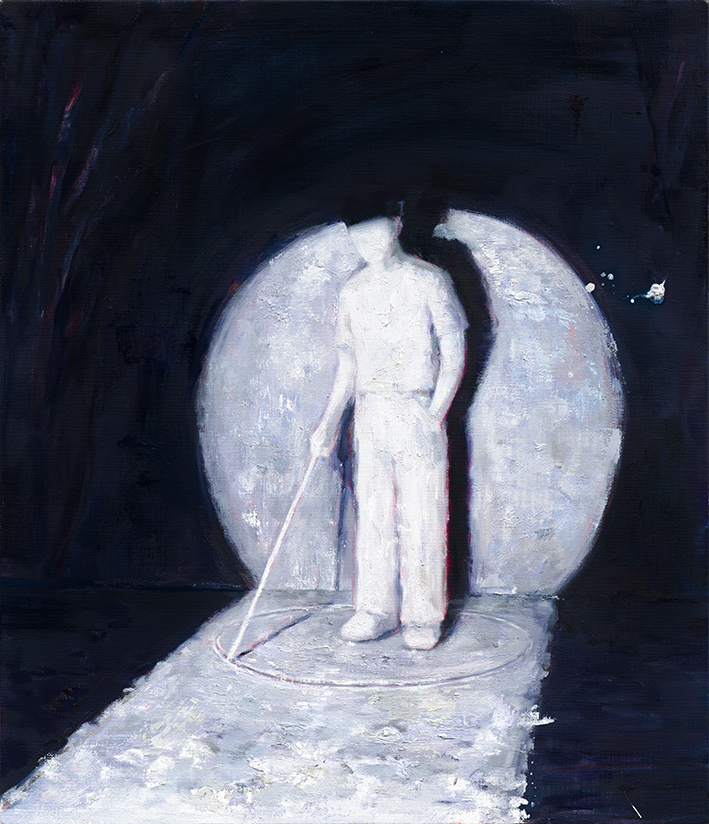
배준현 Junhyun Bae, 원을 그리는 사람 Circle, 2025, Oil on linen, 53 x 45.5cm © Courtesy of the artist
배준현 Junhyun Bae, 원을 그리는 사람 Circle, 2025, Oil on linen, 53 x 45.5cm © Courtesy of the artist
-

배준현 Junhyun Bae, 예행연습 Rehearsal, 2025, Oil on linen, 60.6 x 50cm © Courtesy of the artist
배준현 Junhyun Bae, 예행연습 Rehearsal, 2025, Oil on linen, 60.6 x 50cm © Courtesy of the artist
-

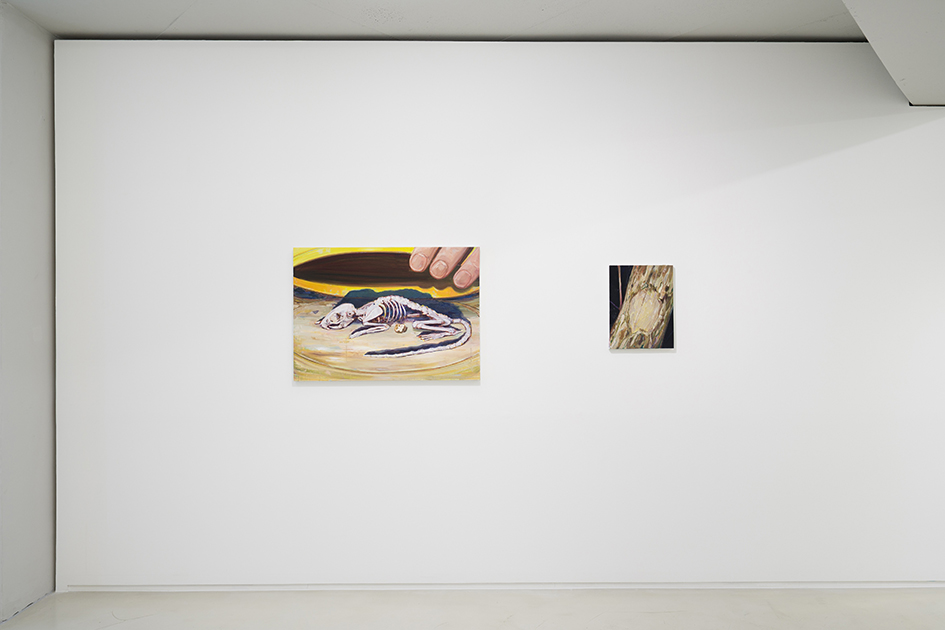
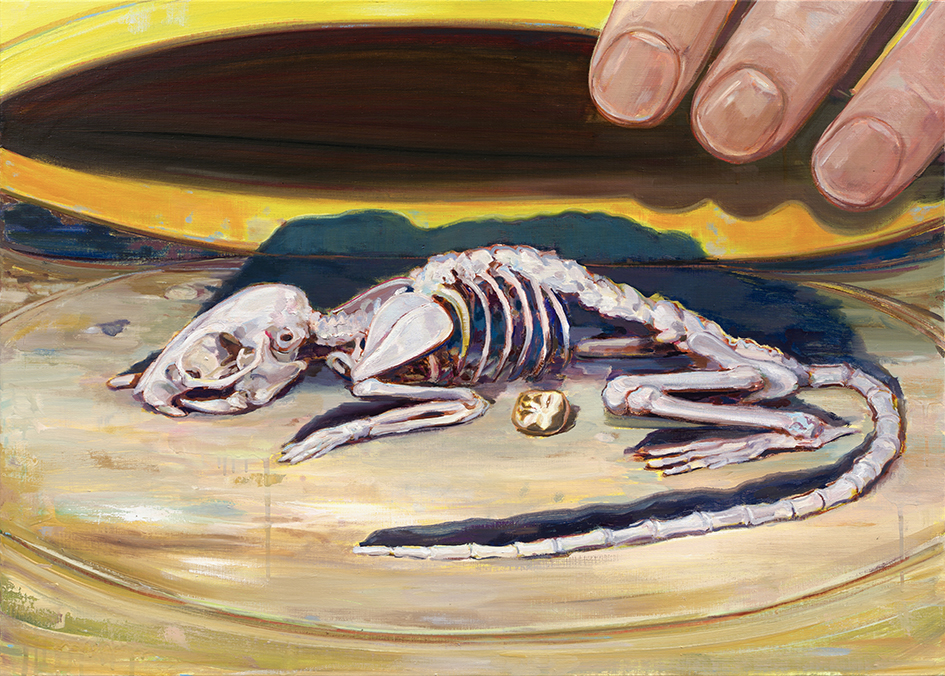
배준현 Junhyun Bae, 남은 것들 Remaining Things, 2025, Oil on linen, 90.9 x 65.1cm © Courtesy of the artist
배준현 Junhyun Bae, 남은 것들 Remaining Things, 2025, Oil on linen, 90.9 x 65.1cm © Courtesy of the artist
-

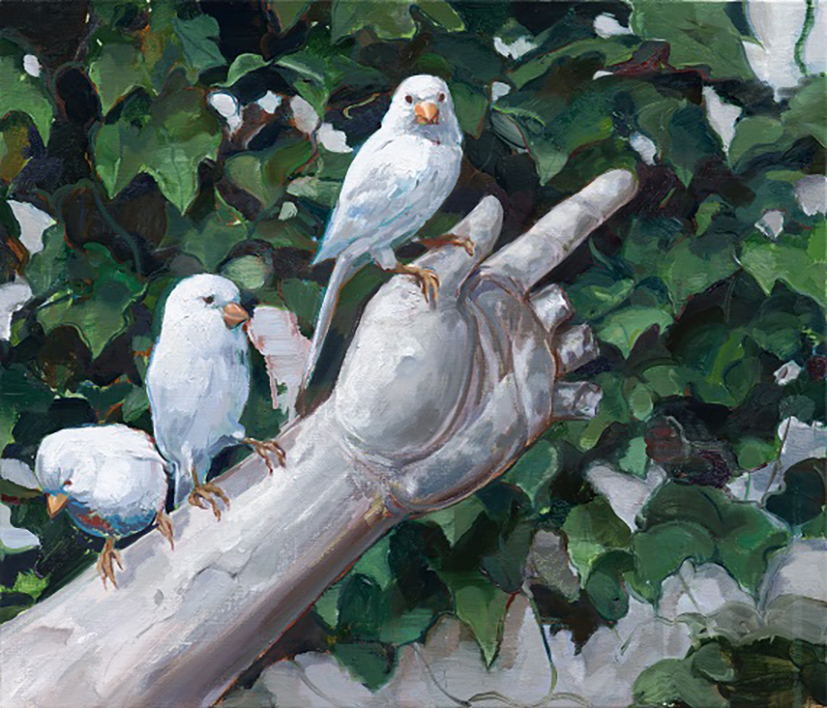
배준현 Junhyun Bae, 방향을 지시하는 손 The Hand That Points, 2025, Oil on linen, 53 x 45.5cm © Courtesy of the artist
배준현 Junhyun Bae, 방향을 지시하는 손 The Hand That Points, 2025, Oil on linen, 53 x 45.5cm © Courtesy of the artist
믿음이 사람을 움직이고, 눈을 뜨게 한다.
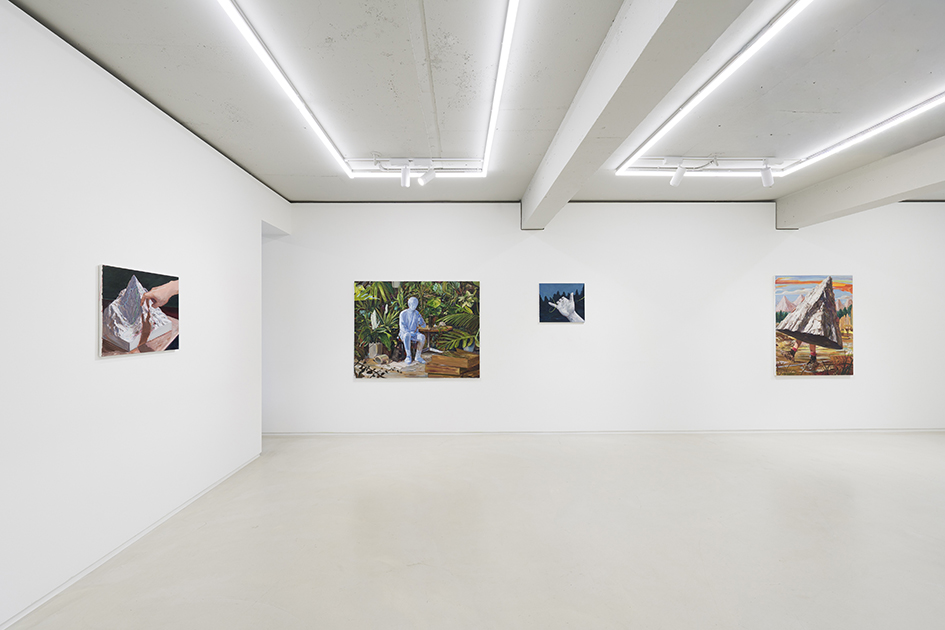
믿음이 산을 움직인다는 말이 있다. 그런데, 사실 믿음을 갖는 자가 인간이라면, 결국은 인간이 산을 움직이는 것이나 다름없지 않을까? 배준현의 회화 작업 <산을 옮기는 사람>(2025)을 보면, 어떤 사람이 산을 움직이고 있다. 산을 들고 다니는 모습은 어떤 연극의 한 장면처럼 보인다. 웃기고 재미있는 장면으로 보고 넘어갈 수도 있지만, 연출된 것이냐 아니냐를 떠나서, 그러니까 의도된 구도냐 아니냐를 떠나서, 우리는 지금 회화라는 무대에서 벌어진 일을 가지고 진지하게 바라보고 분석하고 있다—산이라고 생각한 것은 산만큼 크지 않고, 들고 다니는 사람은 신처럼 경이롭지 않고 오히려 애처롭다. 이 산은 곧 다른 곳으로 자리를 옮기는지, 아니면 방금 여기에 가지고 온 것인지. 손이 하나 더 많은데 모두가 한 마음인지, 아니면 한 사람이 방해하고 있는지, 궁극적으로 산 뒤에 있(는 것으로 추정되)는 사람은 과연 사람일까? 알 수는 없지만, 아니 오히려 알 수 없기에 우리는 믿는다—그가 사람일 수 있기에, 그리고 우리가 사람이기에.
믿음은 눈에 보이지 않는 곳에서, 눈에 보이지 않는 곳을 향해서 염원된다. 그럴 때 우리는 직접적으로 현현된 대상보다 간접적으로 드러난 부분, 그러니까 일종의 실마리를 통해서 의미를 찾아 뜻을 부여함으로써 믿음에 도달한다. 배준현의 작업에서 우리는 의미나 맥락을 부여하여 서사를 떠올리는데, 이는 믿음에 도달하는 인간 사회의 단면과도 같다. 웃기는 동시에 진지한 믿음은 비단 회화 속 장면만은 아니다. 사람들이 뭔가를 믿는 방식은 산을 들고 다니는—심지어 앞을 못 보고 있는—모습처럼 헤매는 과정을 수반한다. 믿음에 도달하려는 인간의 모습은 <조화를 키우는 사람>(2025)과도 같다. 식물에 둘러싸인 장면처럼 보이지만, 자세히 보면 인공 나뭇가지라는 사실을 알 수 있다. 한 사람을 둘러싼 세계는 인공적 피조물일지도 모른다. 하지만 그것은 테이블 위에서 벌어진 망상의 일부일지도 모른다. 나무를 이어 붙이는 사람 역시 접착제로 만든 인공물일지도 모른다—이런 ‘모름’은 결국 깨달음을 갈구하는 인간의 진지하고도 불안한 마음을 대변한다.
회화를 보면서 머릿속에 스쳐 지나가는 상상은, 결국 회화의 이면이나 숨은 부분을 들여다보도록 몰입하는 기회가 된다. 배준현의 회화는 언뜻 봤을 때 아무 일도 일어나지 않는다. 사실 회화 안에서는 모든 것이 당연하기라도 하듯이 연출된다. 회화라는 매체는 연극 무대나 영화, 혹은 꿈 못지않게, 벌어지는 일을 당연하게 보여준다. 이미 벌어지고 있는 것이 당연하다. 그런 의미에서 <아무 일도 일어나지 않는다>(2025)라는 제목은 맞는 표현이다. 오히려 인간이 그러기를 바라는 욕망이 그 장면에 의미를 들여다보려고 할 것이다. 하지만 동시에, 그것마저도 어처구니가 없다고 보는 뉘앙스가 이 제목에 담겨 있다. 개의 엉덩이 털에서 인간의 모습—심지어 성스러운 존재, 예수를 연상시키는—을 우연히 찾았을 때, 어떤 사람은 기적으로 여겨 기뻐하고 찬양할 수도 있다. 하지만, 구세주가 당장 오지는 않는다고 사람들은 생각하고, 문양이 우연히 그렇게 보일 뿐이라고 반박할 것이다. 그럼에도 사람들은 어떤 흔적에 염원을 담기도 하고 눈에 보이지 않는 곳에 희망을 찾고, 때로는 재난의 징조라 생각한다. 우리가 회화를 비롯한 예술에 기대하는 바가 ‘허구’ 이상을 향하는 것처럼.
보이지 않는 곳에 불안도 희망도 공존한다—<남은 것들>(2025)에서 뼈로 남은 동물 시체와 멀쩡한 상태의 금니처럼. 우리는 스스로 위로받기 위해 믿고자 한다. 믿음이 사람을 움직인다—아무 일도 없는 것 같지만, 사람의 시선과 마음을 움직인다. 배준현은 당연함의 무대인 회화에 실마리를 슬쩍 집어 넣음으로써 인간의 인지 방식을 가시화한다. 우리는 무엇을 보고 진짜라 생각하는지는 말 그대로 생각 나름인 것이다. 소꿉놀이 하듯, 어떤 형상에 성스러운 존재를 알아보기도 하고, 재앙의 메시지를 읽어내고, 욕심과 기대를 담는다. 작가가 설명하는 ‘해석의 층위’라는 말은 시간순으로 퇴적되어 형성된 곳을 말하기보다는 이를 초월하는 도약과 비약의 힘을 아우르는 말이다. <밀회>(2025)에서 피어오르는 연기와 수풀의 뒤섞임은 화면 하단의 단단한 지층와 대비된다. 직접적인 상관 관계를 깨는 힘이 이미지를 믿는 일에 있다. 그렇게(나) 우리가 이미지를 믿을 때, 눈먼 자는 비로소 눈을 뜨고, 서지 못하던 사람은 설 수 있게 된다.
글 콘노 유키
배준현(Junhyun Bae, b.1982)은 국민대학교에서 회화 전공으로 학부와 석사를 졸업했다. 개인전으로는 《예언자들PROPHÈTES》(TheGreatCollection, 서울, 2023)과 《어느날 One day》(공간291, 서울, 2015)를 개최하였다. 주요 그룹전으로는 《wonder》(드로잉룸, 서울, 2023),《너머의여정》(서울시립미술관 sema벙커, 서울, 2020),《살찌는전시》(공간291, 서울, 2016),《서울 바람난미술 ’55’》(남대문별관구국세청, 서울도서관, 서울, 2015) 등이 있다.
Faith Moves Man and Opens Their Eyes
“Faith, they say, can move mountains.” But if it is indeed humans who possess faith, then perhaps it is humans who move the mountains. In Man Who Moves a Mountain (2025), Bae Junhyun presents scenes where figures appear to be carrying or shifting mountains. The sight of someone carrying a mountain may look like a scene from a play. It can be read as humorous or absurd, yet whether the scene is staged or not—whether it is deliberately composed or not—we find ourselves seriously observing and analyzing what is happening on the stage of painting. What we thought was a mountain is not as large as one, and the person carrying it is not godlike but rather pitiful. Has this mountain just been brought here, or is it being taken elsewhere? Are the many hands acting as one, or is there someone getting in the way? Ultimately, is the person (presumably) behind the mountain even human? We cannot know—but perhaps it is precisely because we cannot know that we believe. We believe because he could be human, and because we are human.
Faith is directed toward what is unseen and arises from where it cannot be seen. In such moments, we reach belief not through what is directly revealed, but through traces and fragments that suggest meaning. In his work, we assign context and narrative, which mirrors the human process of arriving at belief. Faith, which can be both ridiculous and sincere, exists not only within the scenes of painting. The way people believe often involves wandering—like those who carry mountains without seeing the path ahead. The figure in Gardener (2025) embodies this aspect of faith. At first glance, he seems surrounded by plants, but on closer inspection, the branches are artificial. The world encircling this person might be a man-made construct, or perhaps it is part of a delusion unfolding atop a table. Even the person attaching branches could himself be an artificial creation—made of glue, no less. Such ‘unknowing’ speaks to humanity’s anxious yet earnest yearning for understanding.
The fleeting images that arise while viewing a painting become an invitation to peer into its hidden side. At first glance, nothing happens in his paintings. Indeed, within painting, everything appears as if it naturally should. Like theater, cinema, or even dreams, painting shows events as though their occurrence were inevitable. In this sense, the title Nothing Happens (2025) feels apt. Perhaps it is our human desire that seeks meaning in these still scenes. Yet the title also carries a tone of disbelief—of gentle irony. When someone sees a human—or even a holy figure resembling Christ—in the fur of a dog’s backside, one person may rejoice and call it a miracle, while another dismisses it as mere coincidence. Still, people continue to invest traces with hope, to find signs in what cannot be seen, to sense omens of disaster or redemption. Our expectations toward art—and painting in particular—often reach beyond fiction.
In what is unseen lies both anxiety and hope—as in Remaining Things (2025), where animal bones coexist with an intact golden tooth. We believe, perhaps, in order to comfort ourselves. Faith moves people—it moves their gaze and their hearts, even when nothing seems to happen. By subtly placing clues within the familiar stage of painting, He visualizes the mechanisms of human perception. What we take as real depends, quite literally, on how we think. Like children playing house, we project sanctity, catastrophe, desire, and expectation onto shapes and marks. What the artist calls “layers of interpretation” refers not so much to a temporal accumulation, but to the leaps and disjunctions that transcend it. In The Whispering (2025), the intermingling of smoke and foliage contrasts with the solid ground below, revealing the force that breaks linear relations—the power of belief in the image. When we believe in images, the blind may open their eyes, and the one who could not stand may finally rise.
Yuki Konno